The feeding year
Month by month at the feeder
Twelve pages, one for each month: what to put out, which North American birds to expect, and what needs attention before the season turns.
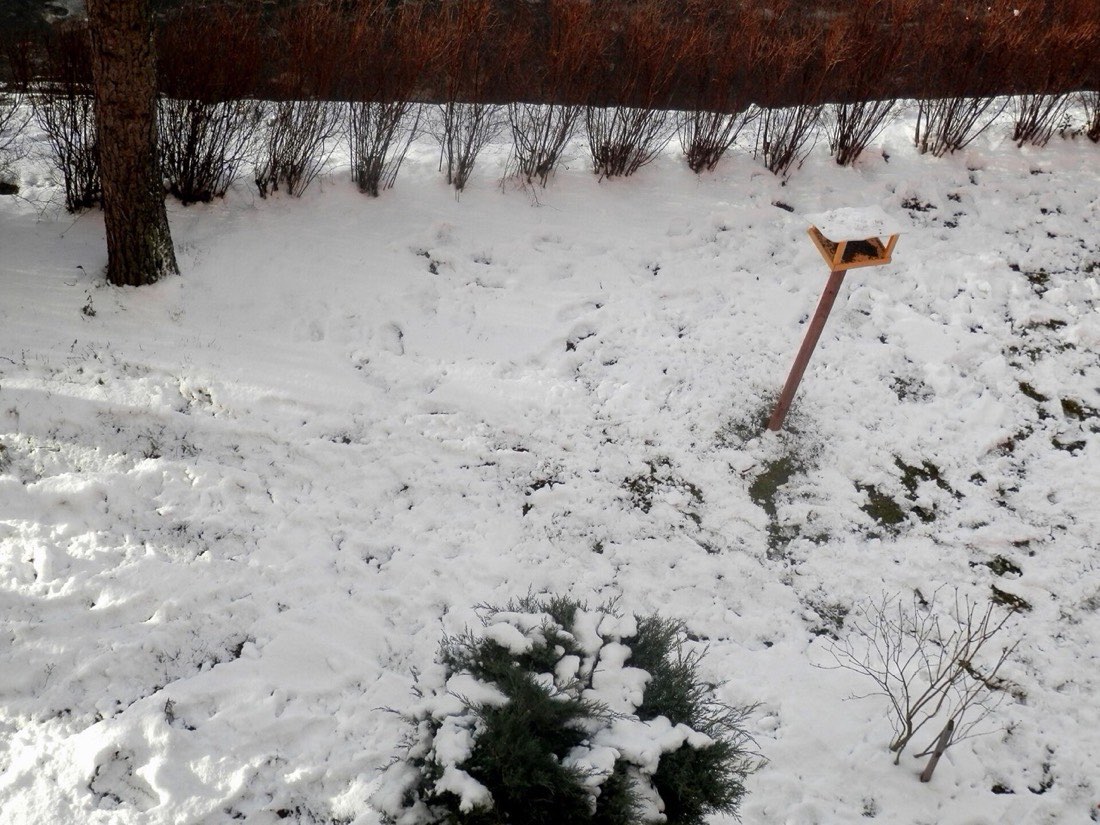 01 · January
Keep water liquid
Fat and oil matter most when insects are gone. Suet, sunflower and peanuts give the highest energy per visit — and unfrozen water is often harder to find than food.
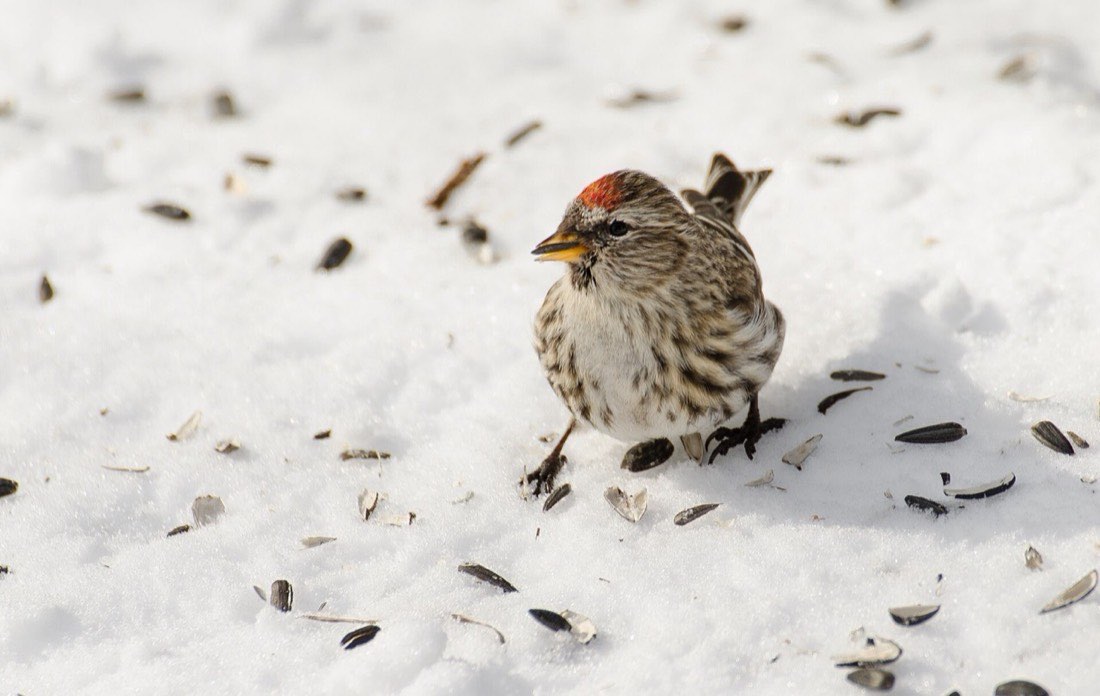 02 · February
Watch for damp seed
Freeze-thaw cycles are the enemy of stored seed. Clumped or damp seed spoils quickly and is not worth topping up over.
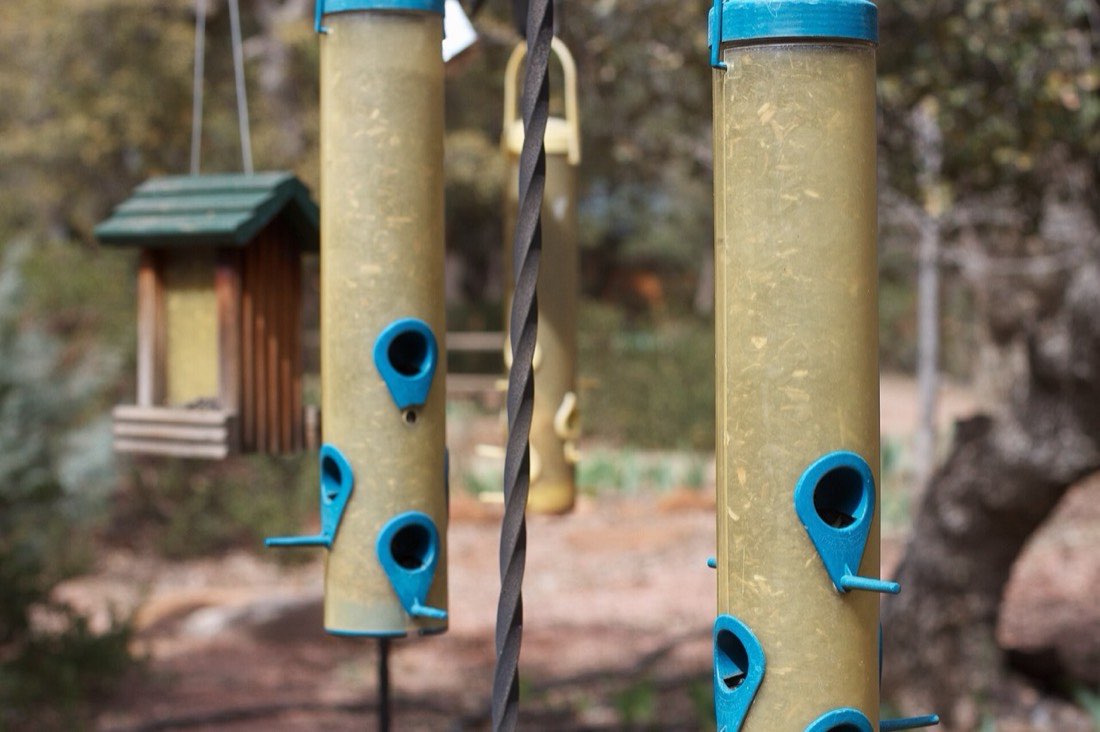 03 · March
Hold off on heavy pruning
Some birds start prospecting nest sites early. Dense shrubs and dead stems are shelter, not clutter, so leave them until nesting is under way.
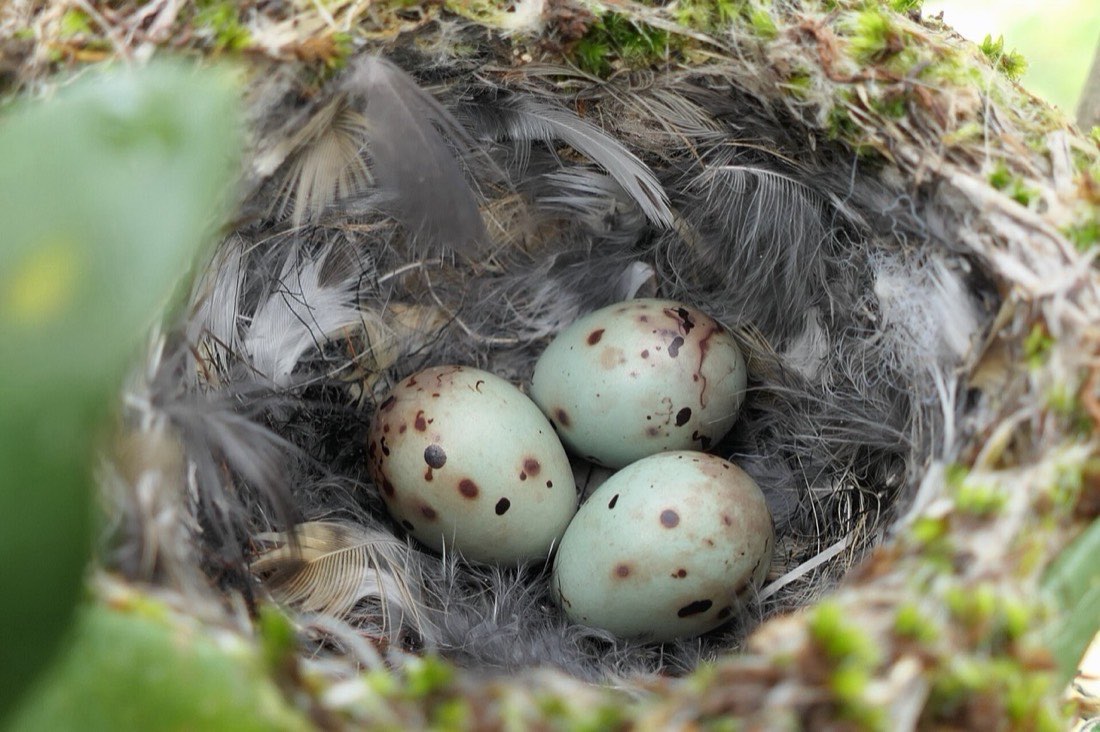 04 · April
Offer calcium and insects
Egg-laying females need calcium. FeederWatch notes sterilised, crushed eggshell as a calcium source — boil for ten minutes, cool, then crush to about sunflower-seed size.
 05 · May
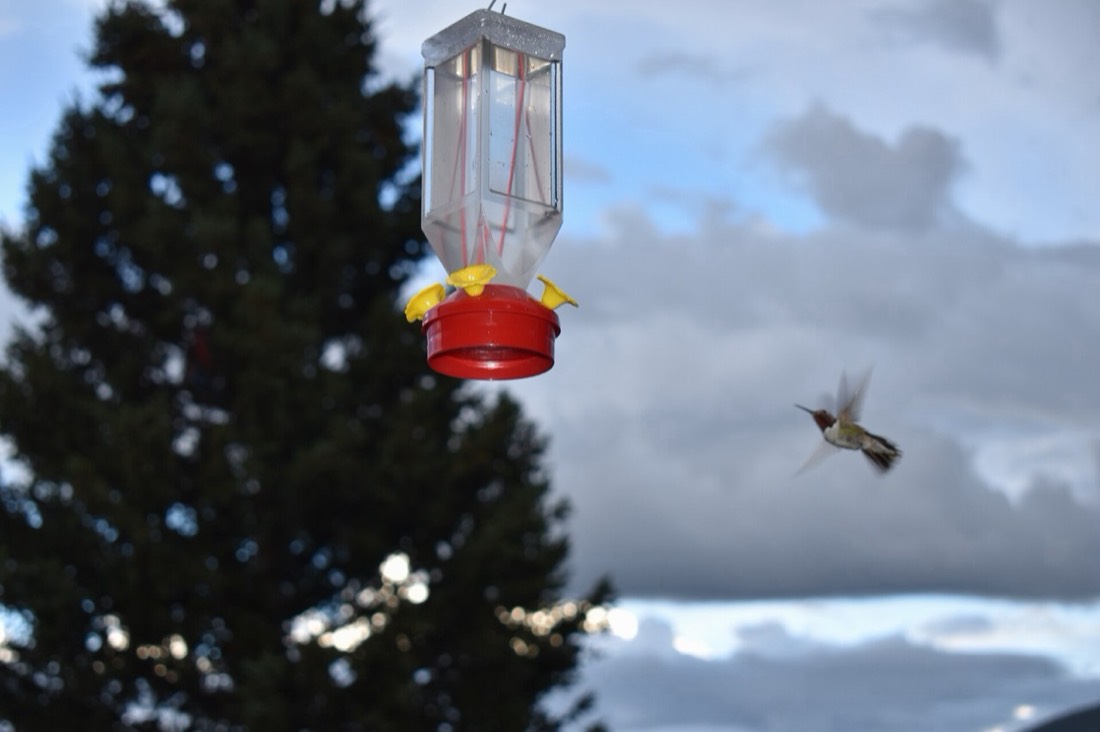
Nectar season opens
Hummingbirds return across much of North America. One part white sugar to four parts water, no dye — and clean the feeder every couple of days as the weather warms.
 06 · June
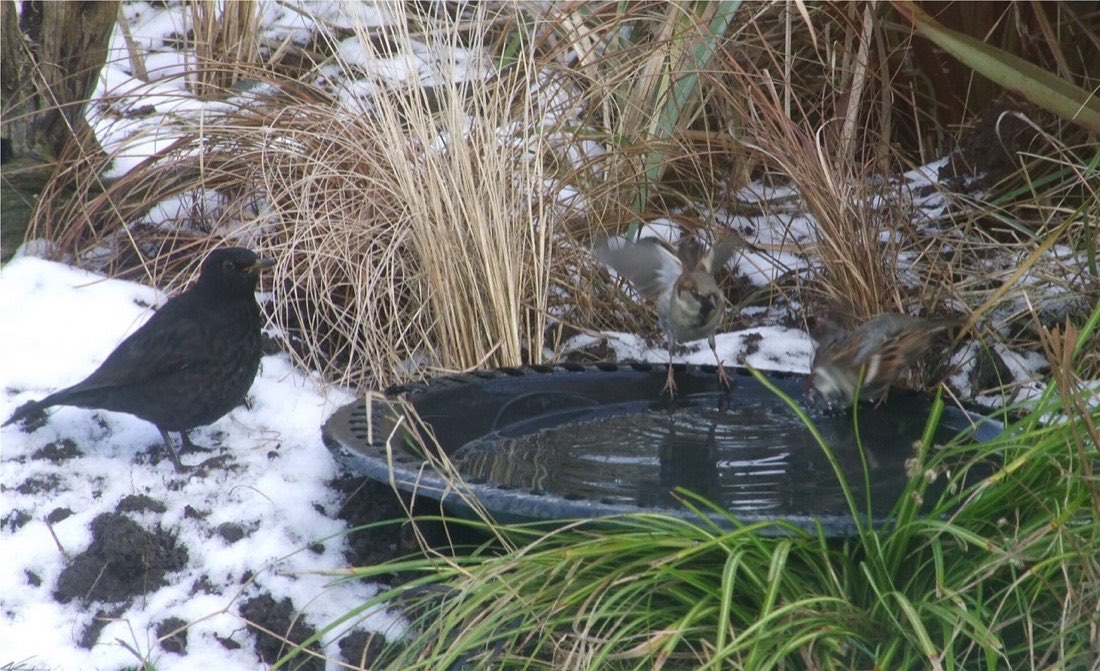
Water beats extra seed
Natural food is abundant, so a clean birdbath does more than another feeder. Refresh water daily and add stones so birds can perch and drink without bathing.
 07 · July
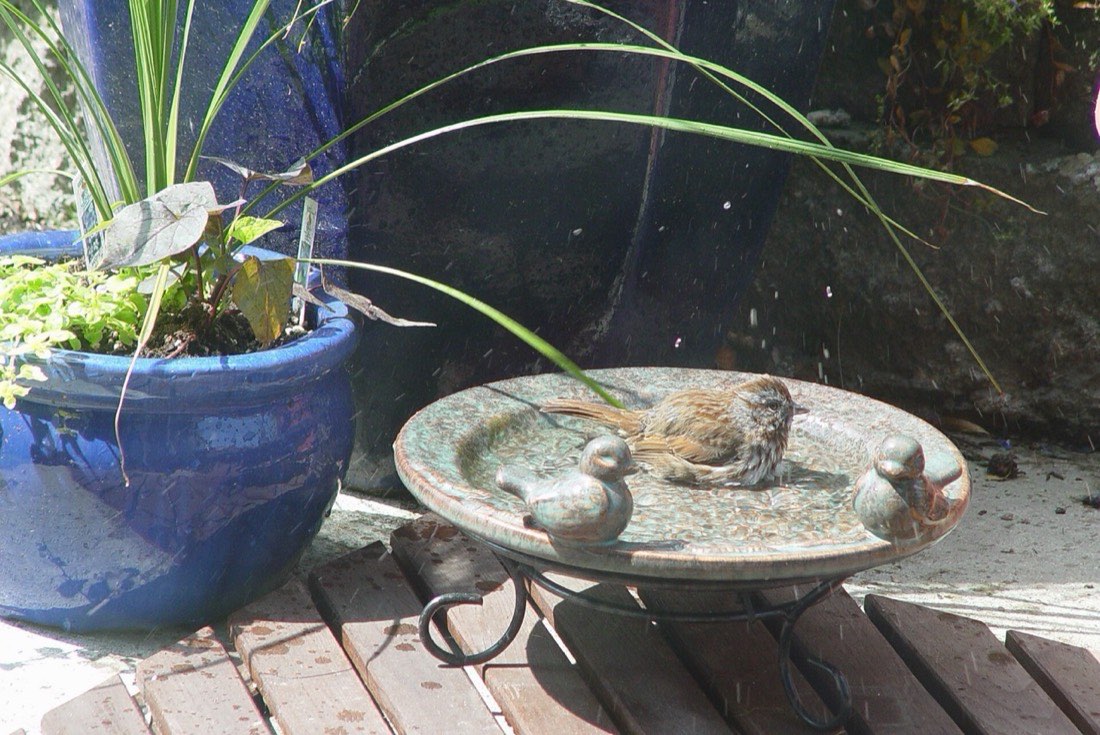
Hygiene in the heat
Warm weather speeds spoilage in both seed and sugar water. Clean seed feeders weekly and nectar feeders every couple of days.
 08 · August
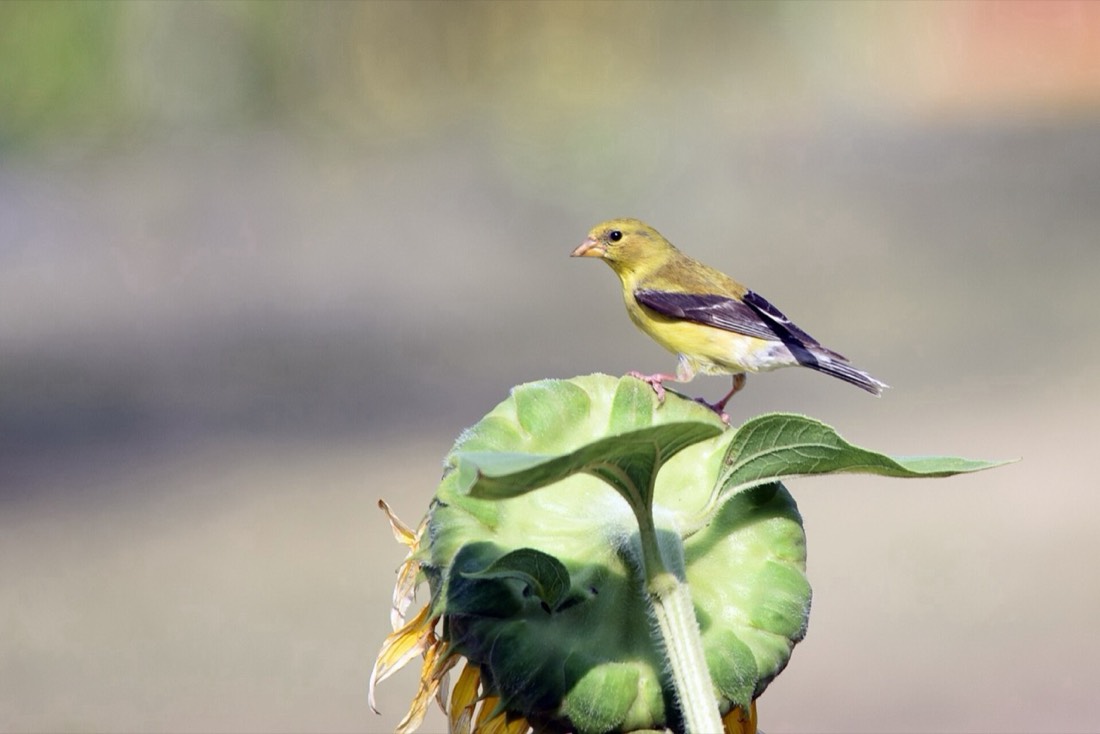
Plan for the autumn push
Migration is beginning. Native planting done now will be established by next spring, and it supports insects that migrants need.
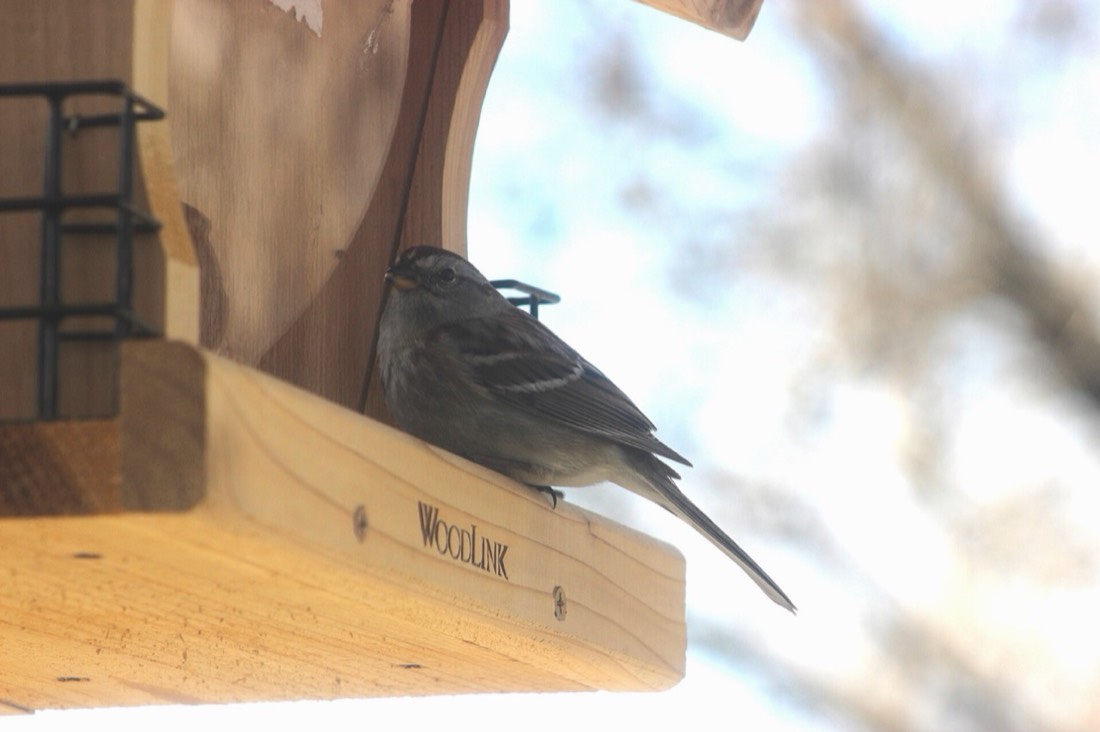 09 · September
Deep-clean before the rush
Autumn traffic picks up and birds crowd feeders again, which is exactly when pathogens spread. This is the month for a full strip-down wash.
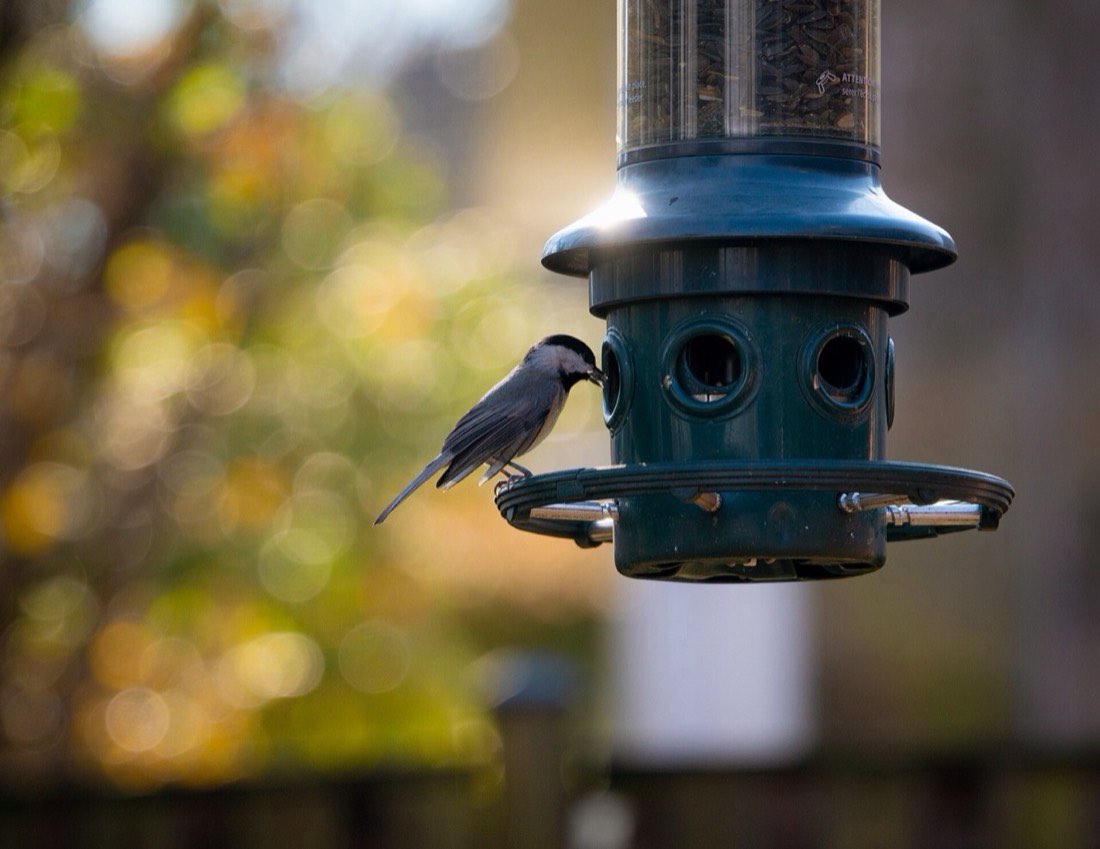 10 · October
Switch to winter food
As insects disappear, fat becomes valuable. Add suet and peanuts alongside sunflower rather than replacing it.
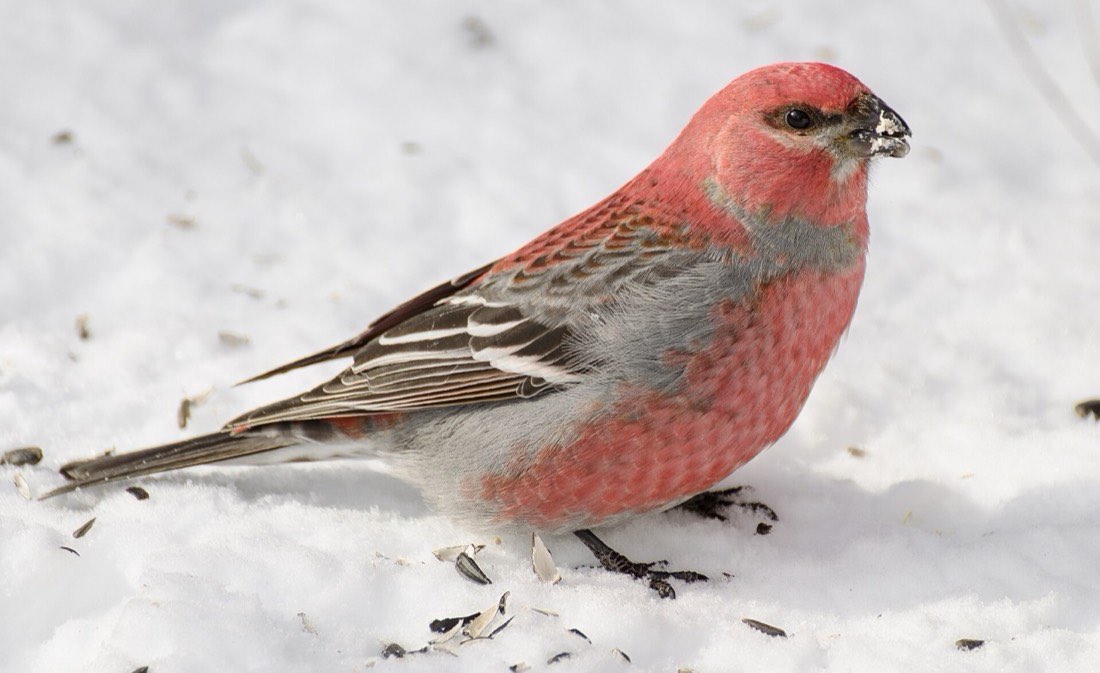 11 · November
Be consistent, not generous
A small feeder refilled daily teaches birds a reliable route. A huge feeder filled once and left empty for a fortnight does not.
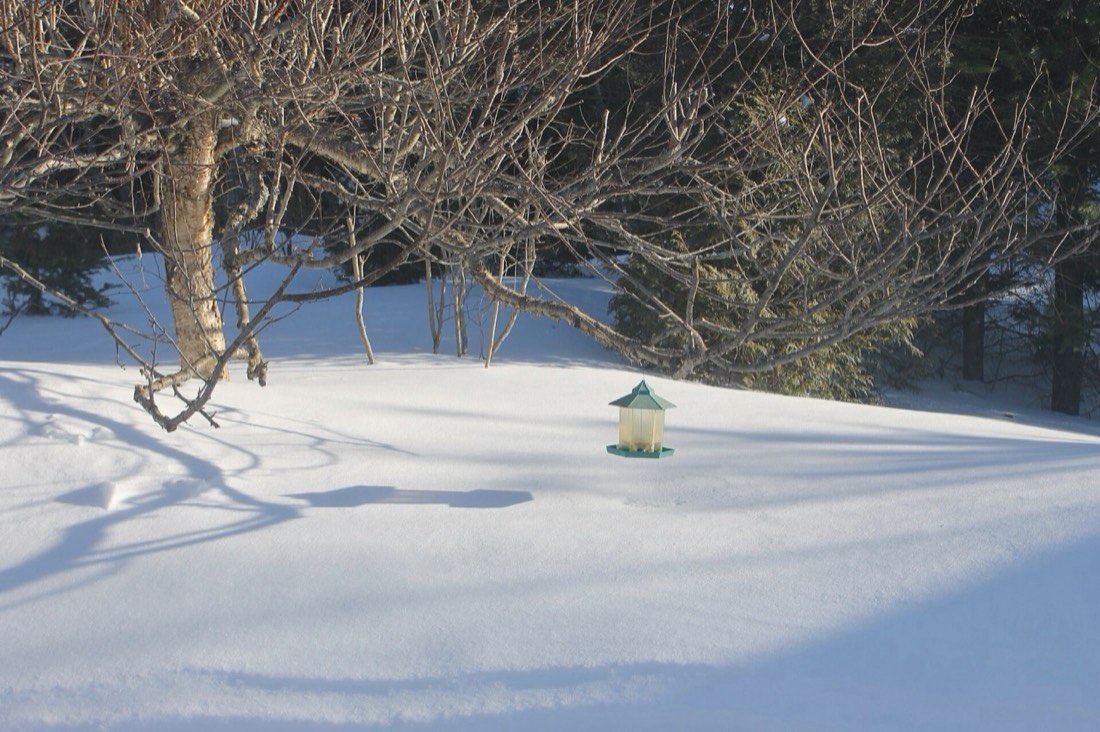 12 · December
Shelter is half the job
Evergreens and brush piles buffer wind and hide birds from predators. A corner left untidy on purpose is worth as much as an extra feeder.
How this calendar is built
The month pages follow one question: what is worth doing at the feeder now, and what should I not get wrong? Food and hygiene guidance comes from Project FeederWatch (Cornell Lab of Ornithology and Birds Canada). Seasonal behaviour notes are drawn from Audubon field guides and are deliberately general: a garden in Ontario and one in Texas are not having the same month.
"Birds to expect" lists species most often reported at feeders in that month. It is a prompt, not a forecast — local weather, habitat and what your neighbours put out all change the result.