12 · December
Shelter is half the job
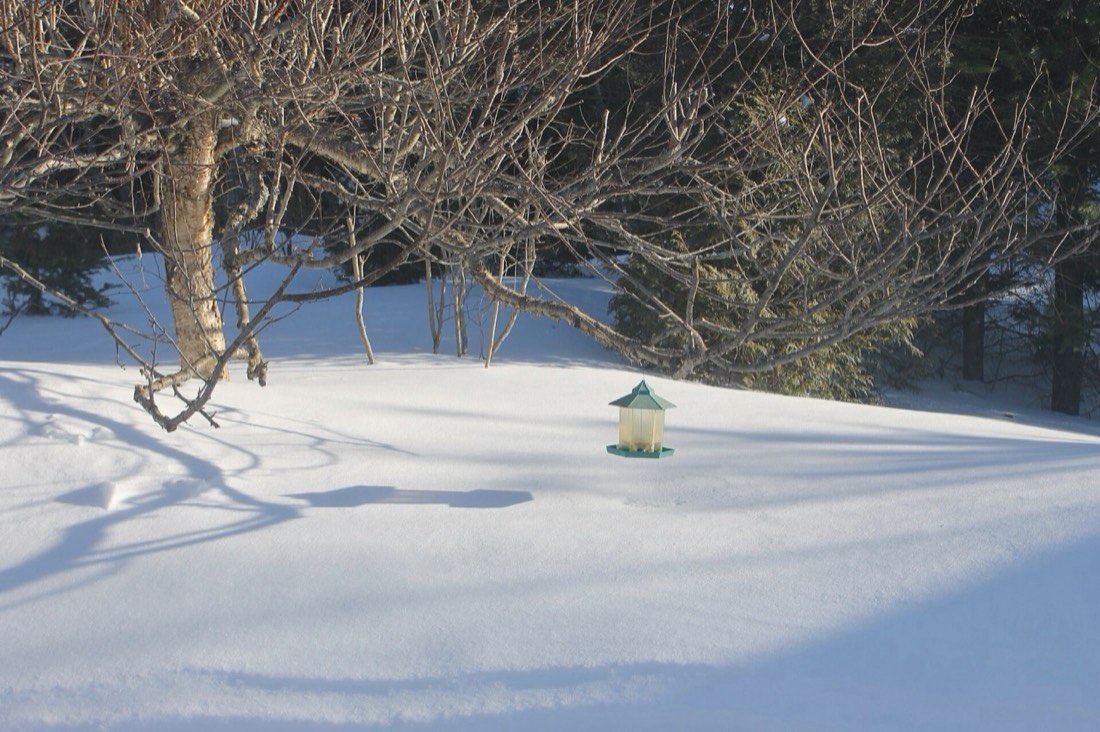
Evergreens and brush piles buffer wind and hide birds from predators. A corner left untidy on purpose is worth as much as an extra feeder.
- Suet
- Sunflower
- Peanuts
At a glance
- Put out
- Suet, Sunflower, Peanuts
- Birds to expect
- Black-capped Chickadee, Dark-eyed Junco, Northern Cardinal, Downy Woodpecker, and 3 more
- Main job
- Leave a corner of the garden untidy on purpose.
- Watch for
- Shelter matters as much as seed: evergreens and brush piles buffer wind.
What is changing this month
Short days and hard weather make shelter as important as food. Evergreens and brush piles buffer wind and hide birds from predators.
Birds to expect in December
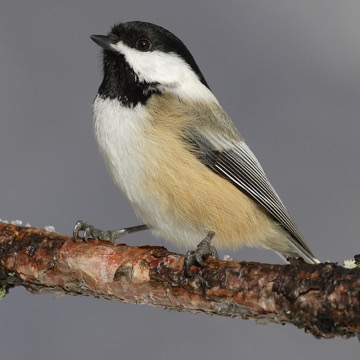 Black-capped Chickadee
Year-round
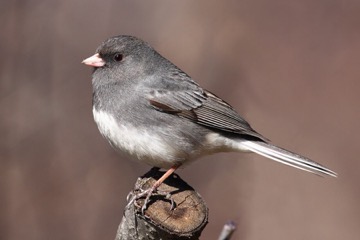 Dark-eyed Junco
Winter visitor
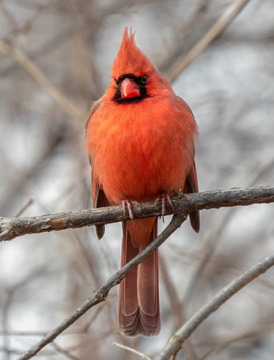 Northern Cardinal
Year-round
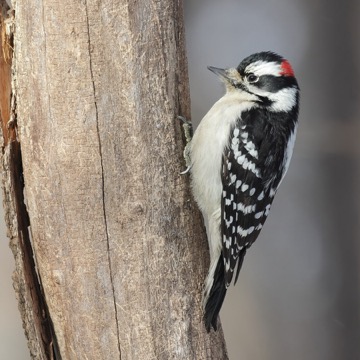 Downy Woodpecker
Year-round
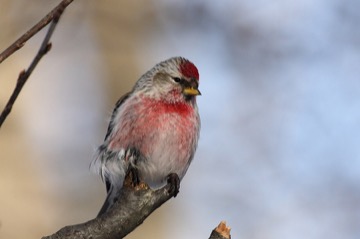 Common Redpoll
Irregular
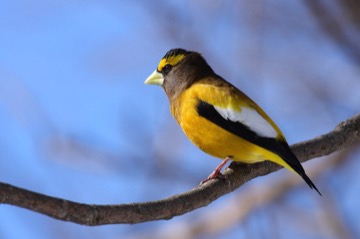 Evening Grosbeak
Irregular
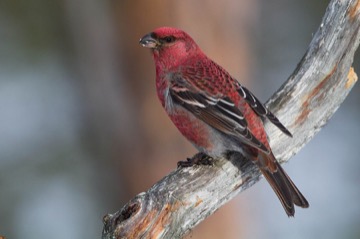 Pine Grosbeak
Irregular
Most often reported at feeders this month. What turns up depends on your region and the weather, so treat it as a starting point.
Feeder jobs for December
- Leave a corner of the garden untidy on purpose.
- Put stones in a ground-level bath so birds can perch.
- Check local bear guidance before feeding where bears occur.
Water in December
Never add antifreeze. Use a birdbath heater, and put stones in a ground-level bath so birds can perch and drink without bathing.
Species in focus: Black-capped Chickadee
Chickadees are usually the first bird to find a new feeder and will use it all winter. Sunflower, peanuts and suet all work, and they happily cling upside down.
- Food
- Sunflower, Peanuts, Suet
- Feeder
- Small tube or suet cage
- Season
- Year-round (northern North America)
What to watch for
- Shelter matters as much as seed: evergreens and brush piles buffer wind.
- Never add antifreeze to a birdbath — it is poisonous to all animals, including birds.
- Put stones in a ground-level bath so birds can perch and drink without bathing.
- If you live where bears visit, do not feed except while they are hibernating.
Three things not to do
- Don't tidy away every brush pile and seed head — shelter is habitat.
- Don't feed where bears are active; wait until they hibernate.
- Don't add antifreeze or salt near a birdbath.
Check this locally
Timing shifts with latitude, elevation and the year. Use these as pointers, then check what is actually happening near you.
- North: short days and hard weather make shelter as important as seed.
- Mid-latitudes: freeze-thaw cycles return; check seed for damp.
- South: winter visitors are in place and breeding season is approaching.
Questions this month raises
Should I feed in bear country?
FeederWatch recommends against any feeding where bears occur except while they are hibernating. Bears that associate homes with food become dangerous.
Is antifreeze safe in a birdbath?
No. Never add antifreeze — it is poisonous to all animals, including birds. Use a birdbath heater instead.
Why do birds need shelter?
Dense evergreens and brush piles reduce wind and give birds somewhere to wait and escape predators. A little untidiness is functional habitat.