03 · March
Hold off on heavy pruning
Some birds start prospecting nest sites early. Dense shrubs and dead stems are shelter, not clutter, so leave them until nesting is under way.
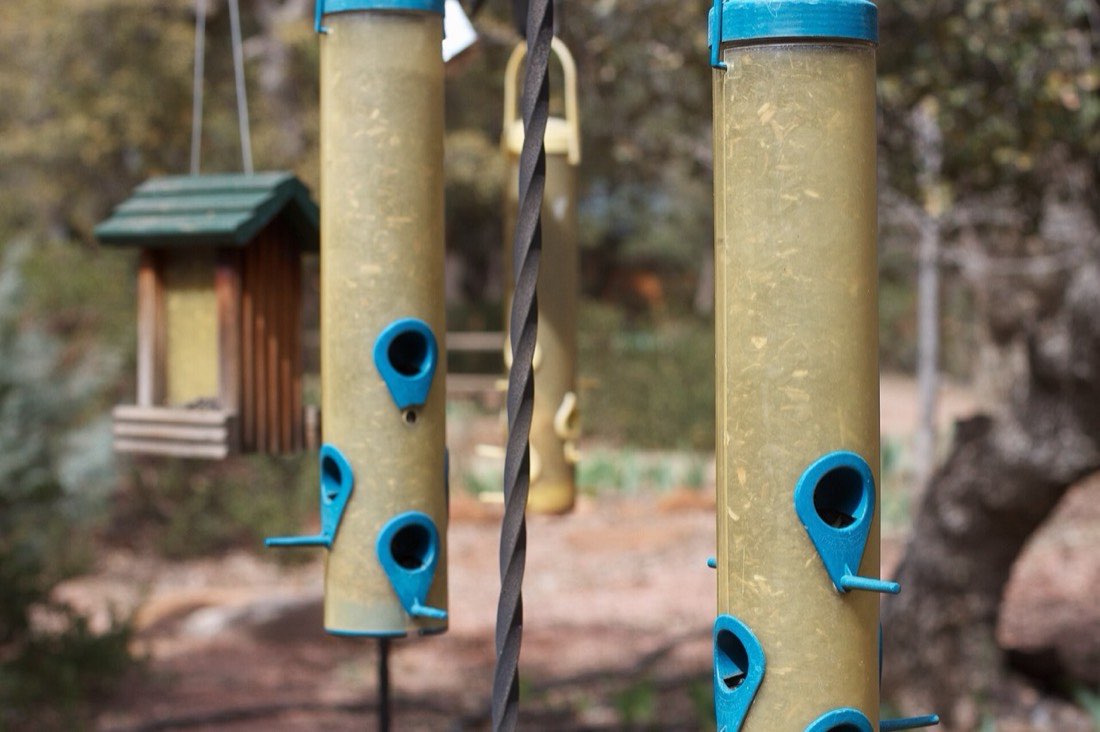
- Sunflower
- Suet
- Mealworms
At a glance
- Put out
- Sunflower, Suet, Mealworms
- Birds to expect
- Northern Cardinal, Blue Jay, Red-winged Blackbird, American Robin, and 3 more
- Main job
- Leave dense shrubs and dead stems alone until nesting is under way.
- Watch for
- Hold off on heavy pruning — dense shrubs and dead stems are nesting shelter.
What is changing this month
Daylight lengthens quickly and early migrants are moving. Resident birds are pairing up, and the first nest sites are being chosen.
Birds to expect in March
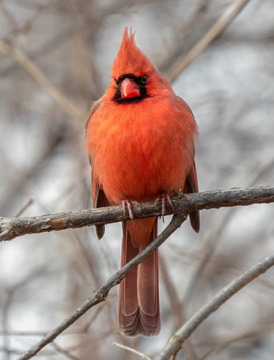 Northern Cardinal
Year-round
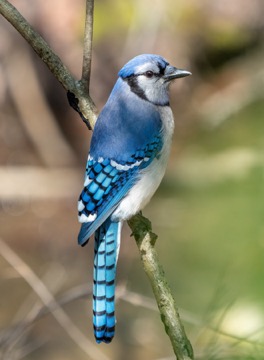 Blue Jay
Year-round
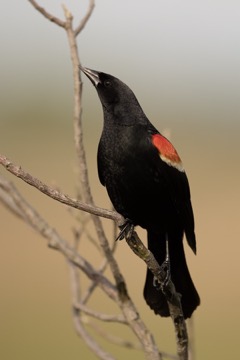 Red-winged Blackbird
Year-round
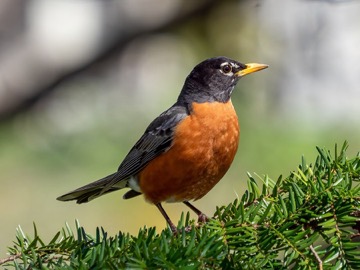 American Robin
Year-round
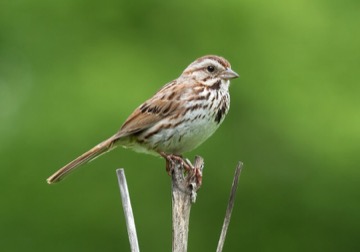 Song Sparrow
Year-round
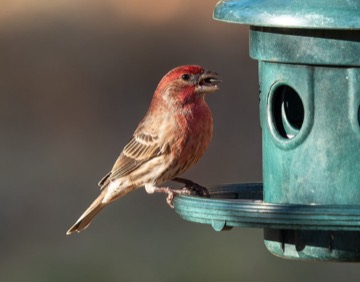 House Finch
Year-round
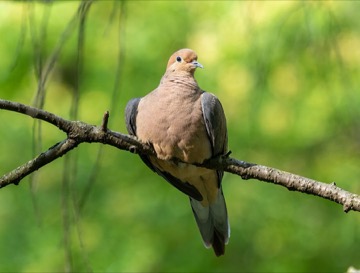 Mourning Dove
Year-round
Most often reported at feeders this month. What turns up depends on your region and the weather, so treat it as a starting point.
Feeder jobs for March
- Leave dense shrubs and dead stems alone until nesting is under way.
- Watch for returning blackbirds and robins.
- Rake ground seed so it does not rot as the ground thaws.
Water in March
Standing water returns as ice thaws, but it is often dirty. Scrub the bath out before birds start using it again.
Species in focus: Red-winged Blackbird
Red-winged Blackbirds are among the earliest migrants to move north. They feed on the ground in flocks, so millet and cracked corn on a low tray suit them better than a hanging tube.
- Food
- Millet & corn, Mixed seed
- Feeder
- Ground or platform
- Season
- Year-round in many areas; northern birds migrate
What to watch for
- Hold off on heavy pruning — dense shrubs and dead stems are nesting shelter.
- Early nesters are prospecting sites. Keep disturbance near evergreens to a minimum.
- Millet on the ground suits the sparrows and doves returning now.
- Do not assume spring means stop cleaning; warm days speed spoilage.
Three things not to do
- Don't cut back berry-bearing shrubs or dense cover before nesting is under way.
- Don't let ground seed rot as the soil thaws — rake up spillage.
- Don't open a nest box that is already occupied.
Check this locally
Timing shifts with latitude, elevation and the year. Use these as pointers, then check what is actually happening near you.
- North: snowmelt is late and feeders still carry the load.
- Mid-latitudes: early migrants arrive while residents begin pairing up.
- South: nesting may be well advanced; keep feeding traffic away from boxes.
Questions this month raises
Should I clean out nest boxes now?
Late winter to early spring is the usual window for many cavity nesters, but check guidance for the species you are attracting. Never open a box that is already occupied.
Why are blackbirds suddenly everywhere?
Early migrants such as Red-winged Blackbirds move north as the season turns. They often feed on the ground and in flocks.
Is it too late to start feeding?
No. Birds find new feeders by sight and habit, so it can take a week or two, but spring is a fine time to begin.