08 · August
Plan for the autumn push
Migration is beginning. Native planting done now will be established by next spring, and it supports insects that migrants need.
- Sunflower
- Nyjer
- Water
At a glance
- Put out
- Sunflower, Nyjer, Water
- Birds to expect
- American Goldfinch, Cedar Waxwing, Ruby-throated Hummingbird, House Finch, and 3 more
- Main job
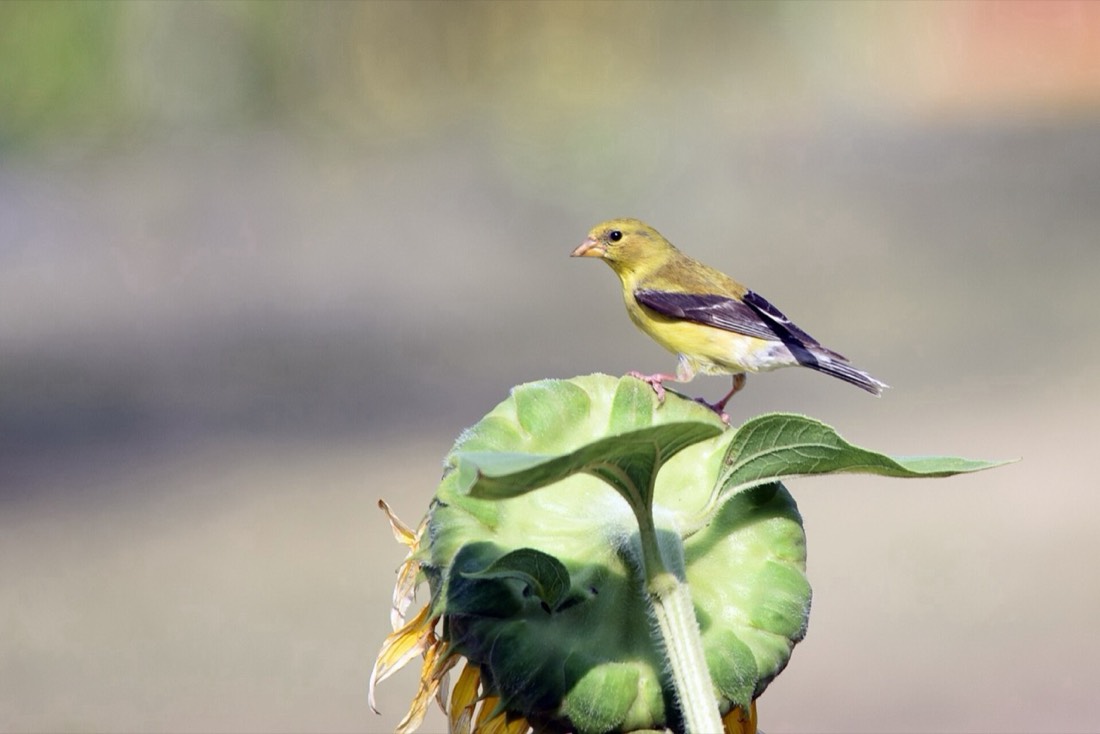
- Leave spent flower seed heads standing.
- Watch for
- Migration is under way — keep feeders clean before traffic picks up.
What is changing this month
Migration is beginning, and goldfinches are nesting unusually late — one of the last songbirds to start. Seed heads and berries are doing real work now.
Birds to expect in August
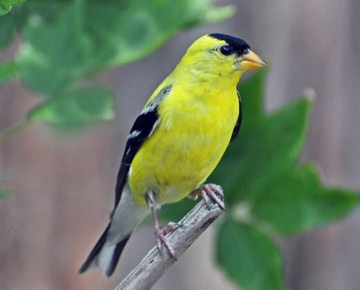 American Goldfinch
Year-round
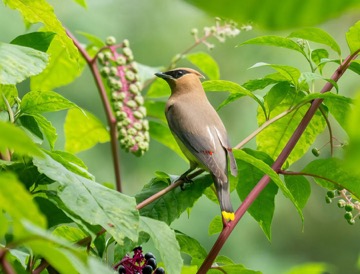 Cedar Waxwing
Winter visitor
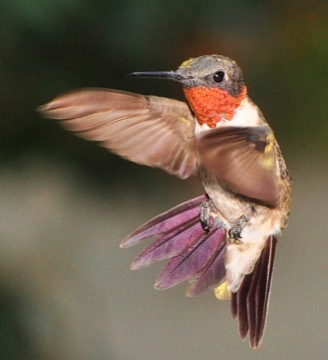 Ruby-throated Hummingbird
Seasonal
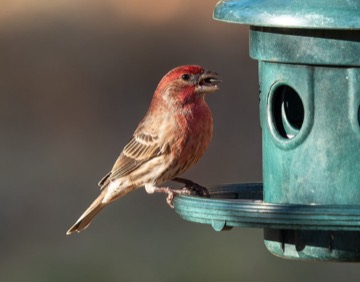 House Finch
Year-round
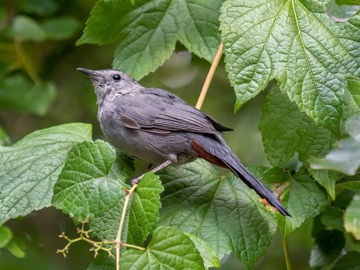 Gray Catbird
Seasonal
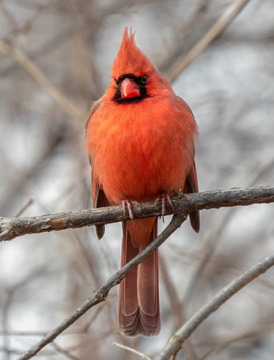 Northern Cardinal
Year-round
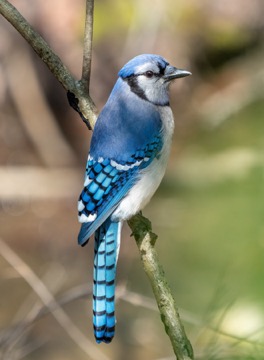 Blue Jay
Year-round
Most often reported at feeders this month. What turns up depends on your region and the weather, so treat it as a starting point.
Feeder jobs for August
- Leave spent flower seed heads standing.
- Keep feeders clean before autumn traffic builds.
- Do not cut berry-bearing shrubs yet.
Water in August
Keep water going through late-summer heat. Migrants passing through use it heavily.
Species in focus: American Goldfinch
Late summer is peak nesting for goldfinches, and thistle and seed heads are doing the work. Leaving spent flowers standing is often more useful than adding another feeder.
- Food
- Nyjer, Sunflower
- Feeder
- Dedicated nyjer feeder or small tube
- Season
- Year-round; brightest in summer
What to watch for
- Migration is under way — keep feeders clean before traffic picks up.
- Leave seed heads on spent flowers; they are free bird food.
- Nyjer suits the goldfinches that nest late in the season.
- Do not cut back berry-bearing shrubs yet; migrating birds use the fruit.
Three things not to do
- Don't cut back spent flower heads — they are free seed for migrants.
- Don't prune berry-bearing shrubs before migration.
- Don't let feeders sit dirty going into autumn traffic.
Check this locally
Timing shifts with latitude, elevation and the year. Use these as pointers, then check what is actually happening near you.
- North: migration begins; keep feeders clean as traffic builds.
- Mid-latitudes: goldfinches are still nesting while early migrants pass through.
- South: breeding may continue later than in the north.
Questions this month raises
Why do goldfinches nest so late?
The American Goldfinch is a late nester in most regions, with the majority of nesting in July and August, which lines up with the peak supply of late-summer seeds.
Should I cut back my garden now?
Leave seed heads and berries for migrants. Save structural pruning until late winter or early spring.
When does autumn migration peak?
It varies by species and region. Audubon describes goldfinch migration as irregular, with peak movement usually in mid-fall and early spring.