11 · November
Be consistent, not generous
A small feeder refilled daily teaches birds a reliable route. A huge feeder filled once and left empty for a fortnight does not.
- Black-oil sunflower
- Suet
- Peanuts
At a glance
- Put out
- Black-oil sunflower, Suet, Peanuts
- Birds to expect
- Dark-eyed Junco, Black-capped Chickadee, Northern Cardinal, House Finch, and 3 more
- Main job
- Pick a feeder you can realistically refill daily.
- Watch for
- Consistency beats quantity: a small feeder refilled daily teaches birds a reliable route.
What is changing this month
The feeding pattern settles into winter. Reliability now matters more than variety.
Birds to expect in November
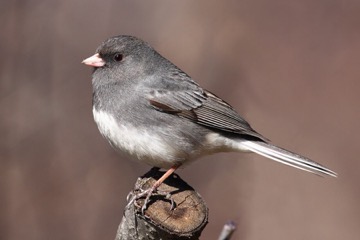 Dark-eyed Junco
Winter visitor
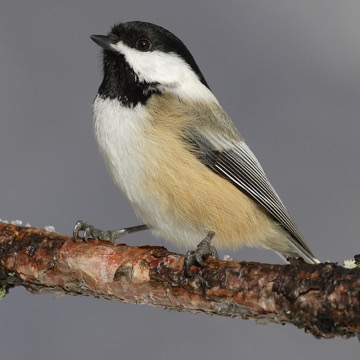 Black-capped Chickadee
Year-round
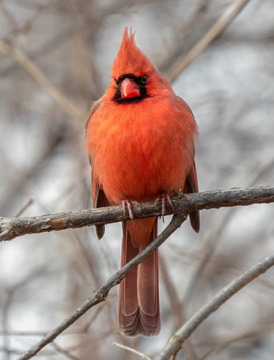 Northern Cardinal
Year-round
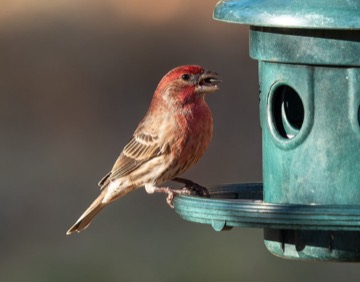 House Finch
Year-round
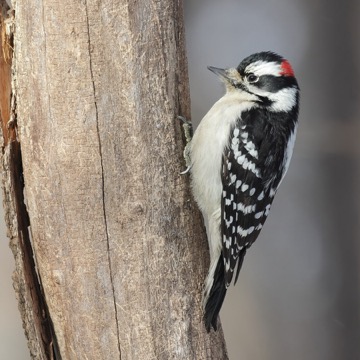 Downy Woodpecker
Year-round
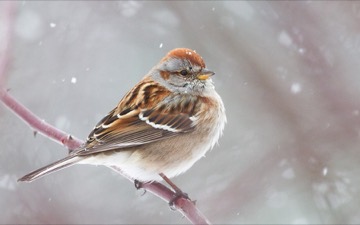 American Tree Sparrow
Winter visitor
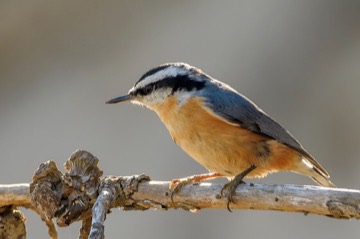 Red-breasted Nuthatch
Year-round
Most often reported at feeders this month. What turns up depends on your region and the weather, so treat it as a starting point.
Feeder jobs for November
- Pick a feeder you can realistically refill daily.
- Top up before the weather turns, not during a storm.
- Keep water ice-free as hard frosts begin.
Water in November
Hard frosts make liquid water scarce. Keep one bath ice-free and shallow.
Species in focus: Dark-eyed Junco
Juncos are the backbone of many winter feeders. They feed on the ground, so millet below the feeder often matters more than the feeder itself.
- Food
- Millet & corn, Sunflower
- Feeder
- Ground or low platform
- Season
- Autumn to spring (winter visitor in many areas)
What to watch for
- Consistency beats quantity: a small feeder refilled daily teaches birds a reliable route.
- Do not let a large feeder sit empty for a fortnight, then refill — reliability is the point.
- Top up before the weather turns rather than during a storm.
- Keep water ice-free as hard frosts begin.
Three things not to do
- Don't start a big feeder you cannot keep filled.
- Don't let a feeder sit empty for weeks and then refill — reliability is the point.
- Don't take feeders down mid-winter if you can avoid it.
Check this locally
Timing shifts with latitude, elevation and the year. Use these as pointers, then check what is actually happening near you.
- North: snow cover is likely; feeder use is heavy and constant.
- Mid-latitudes: the winter pattern is establishing.
- South: many winter residents are present but weather is milder.
Questions this month raises
Is it better to feed a little every day or a lot once?
A small feeder refilled daily teaches birds a reliable route. A large feeder that sits empty for a fortnight does not.
What if I go away?
Fill everything before you leave. A gap of a week or two is not a crisis, but avoid taking a feeder down mid-winter if you can help it.
Do birds become dependent on feeders?
There is no strong evidence that garden feeding creates a population that would starve without it. Feeding is a supplement.