09 · September
Deep-clean before the rush
Autumn traffic picks up and birds crowd feeders again, which is exactly when pathogens spread. This is the month for a full strip-down wash.
- Sunflower
- Nyjer
- Suet
At a glance
- Put out
- Sunflower, Nyjer, Suet
- Birds to expect
- Dark-eyed Junco, White-throated Sparrow, Rose-breasted Grosbeak, Ruby-throated Hummingbird, and 3 more
- Main job
- Do a full strip-down wash of every feeder.
- Watch for
- This is the month for a full strip-down wash before autumn crowds arrive.
What is changing this month
Autumn traffic is building and birds are crowding feeders again, which is exactly when pathogens spread most easily.
Birds to expect in September
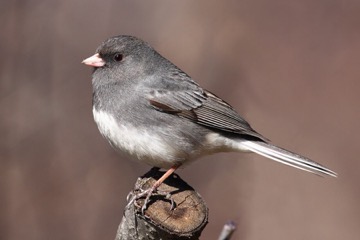 Dark-eyed Junco
Winter visitor
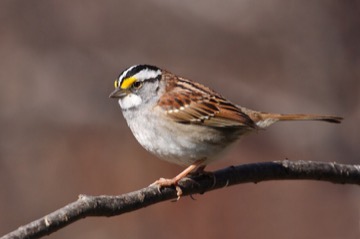 White-throated Sparrow
Winter visitor
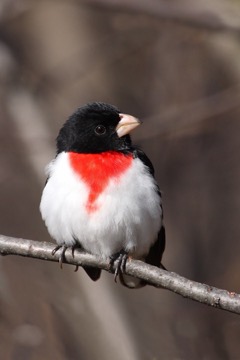 Rose-breasted Grosbeak
Seasonal
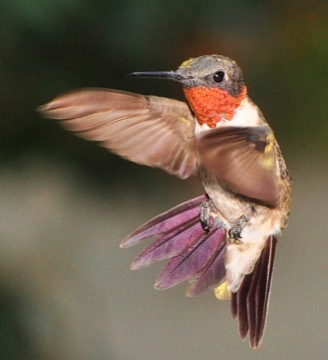 Ruby-throated Hummingbird
Seasonal
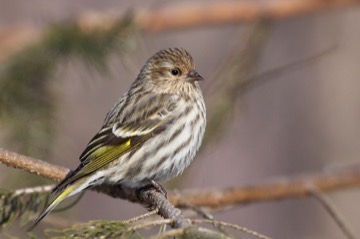 Pine Siskin
Irregular
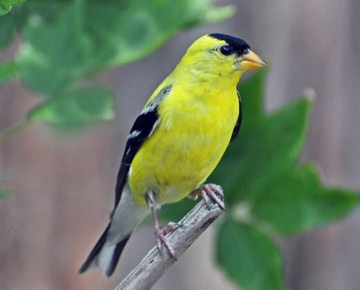 American Goldfinch
Year-round
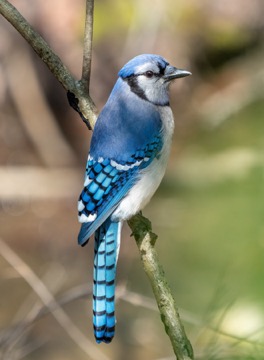 Blue Jay
Year-round
Most often reported at feeders this month. What turns up depends on your region and the weather, so treat it as a starting point.
Feeder jobs for September
- Do a full strip-down wash of every feeder.
- Disinfect with one part bleach to nine parts water.
- Keep nectar out until you have seen no hummingbirds for about two weeks.
Water in September
Clean the bath before autumn traffic builds. Summer algae and debris should not carry over into the busiest season.
Species in focus: Dark-eyed Junco
Juncos return as the season turns. They feed on the ground, so a low tray or scattered millet brings them in.
- Food
- Millet & corn, Sunflower
- Feeder
- Ground or low platform
- Season
- Autumn to spring (winter visitor in many areas)
What to watch for
- This is the month for a full strip-down wash before autumn crowds arrive.
- Soak cleaned parts for ten minutes in one part bleach to nine parts water, rinse and dry fully.
- Keep hummingbird feeders going until you have seen no birds for about two weeks.
- Ground-feeding sparrows arrive now — scatter millet, and rake up waste.
Three things not to do
- Don't skip the deep clean — autumn crowding is when disease spreads.
- Don't take a hummingbird feeder down early; leave it until you have seen none for about two weeks.
- Don't put feeders back together wet.
Check this locally
Timing shifts with latitude, elevation and the year. Use these as pointers, then check what is actually happening near you.
- North: first hard frosts can arrive; watch for early winter visitors.
- Mid-latitudes: peak autumn movement and the busiest feeder month.
- South: summer birds may still be present alongside arriving winter ones.
Questions this month raises
How do I disinfect a feeder?
Clean it with warm soapy water first, then soak the cleaned parts for about ten minutes in one part bleach to nine parts water. Rinse thoroughly and dry fully before refilling.
When should I take down the hummingbird feeder?
A common rule is to keep it up until you have seen no hummingbirds for about two weeks. Leaving it up does not stop birds migrating.
Why do birds suddenly crowd the feeder?
Migration and cooler weather bring more birds through, and they feed more heavily to build reserves.