07 · July
Hygiene in the heat
Warm weather speeds spoilage in both seed and sugar water. Clean seed feeders weekly and nectar feeders every couple of days.
- Nectar
- Mealworms
- Water
At a glance
- Put out
- Nectar, Mealworms, Water
- Birds to expect
- American Robin, Northern Mockingbird, House Finch, Blue Jay, and 3 more
- Main job
- Clean seed feeders weekly and nectar feeders every couple of days.
- Watch for
- Heat speeds spoilage. Clean seed feeders weekly and nectar feeders every couple of days.
What is changing this month
Heat is the main risk now: seed and sugar water spoil faster, and crowded feeders concentrate birds when disease spreads most easily.
Birds to expect in July
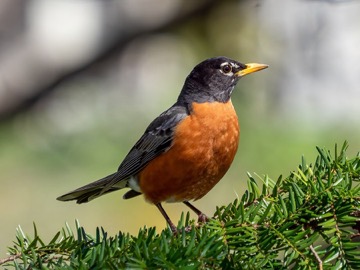 American Robin
Year-round
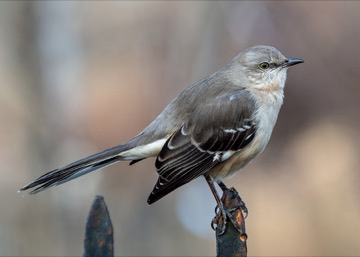 Northern Mockingbird
Year-round
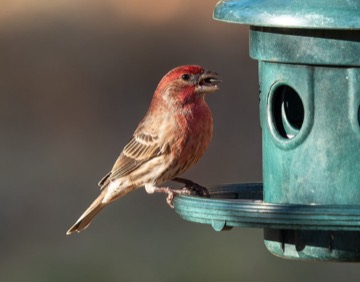 House Finch
Year-round
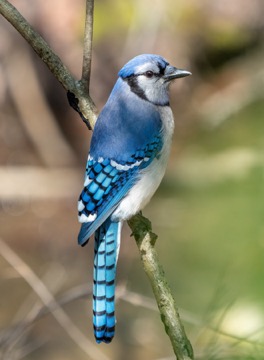 Blue Jay
Year-round
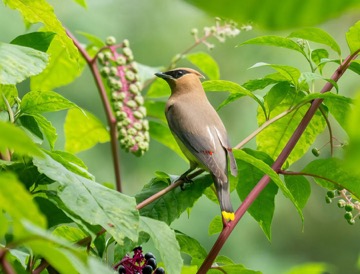 Cedar Waxwing
Winter visitor
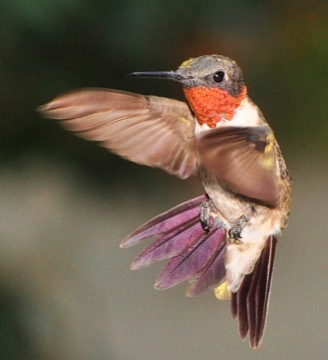 Ruby-throated Hummingbird
Seasonal
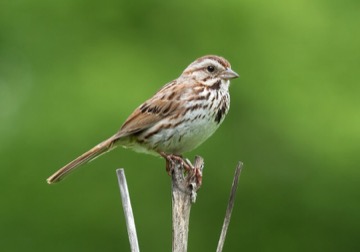 Song Sparrow
Year-round
Most often reported at feeders this month. What turns up depends on your region and the weather, so treat it as a starting point.
Feeder jobs for July
- Clean seed feeders weekly and nectar feeders every couple of days.
- Move the bath into shade if you can.
- Watch for sick birds and disinfect if you see symptoms.
Water in July
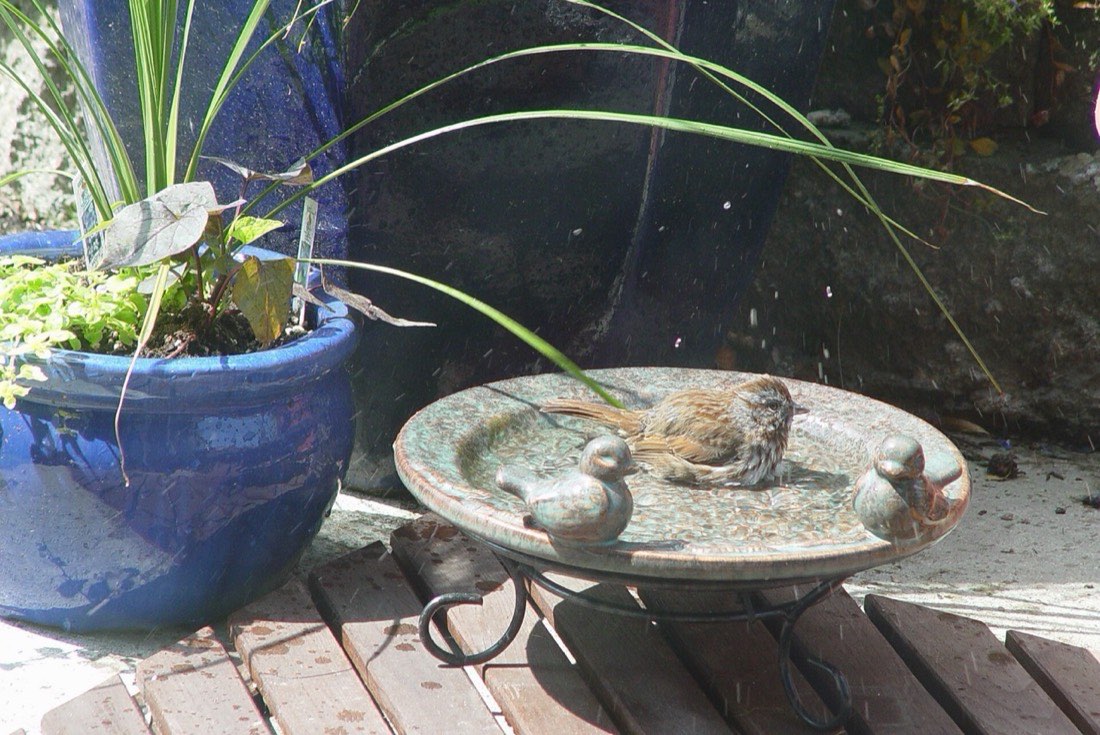
Shade keeps bath water cooler and birds use it more. Refresh daily and scrub out algae weekly.
Species in focus: American Goldfinch
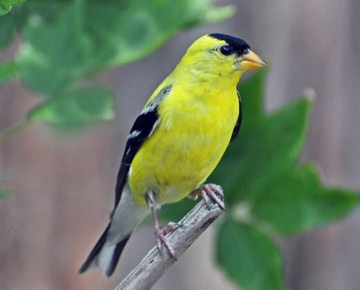
Goldfinches nest unusually late, with most nesting in July and August, timed to the peak supply of late-summer seeds. Nyjer in a small-port feeder suits them.
- Food
- Nyjer, Sunflower
- Feeder
- Dedicated nyjer feeder or small tube
- Season
- Year-round; brightest in summer
What to watch for
- Heat speeds spoilage. Clean seed feeders weekly and nectar feeders every couple of days.
- Provide shade and water; a bath in shade stays cooler and is used more.
- Watch for sick birds at crowded feeders and disinfect if you see symptoms.
- If you cannot keep up with cleaning, feed less rather than feeding dirty.
Three things not to do
- Don't feed ordinary suet in heat unless it is formulated for warm weather.
- Don't let a crowded feeder go unwashed; warm weather speeds disease spread.
- Don't ignore a sick bird — clean, disinfect, and consider a temporary pause.
Check this locally
Timing shifts with latitude, elevation and the year. Use these as pointers, then check what is actually happening near you.
- North: nesting is at its height; feeders are secondary to insects.
- Mid-latitudes: heat and humidity make hygiene the main job.
- South: water and shade matter more than any seed.
Questions this month raises
How do I spot a sick bird?
Fluffed-up feathers, lethargy, abnormal growths and crusty eyes are common signs. Clean and disinfect more often, and consider a temporary pause on feeding.
Can I feed suet in summer?
Only if it is formulated for warm weather. Ordinary suet can turn rancid once it softens.
Do birds need water more than food in summer?
Water is often the higher-value offering in heat. A clean, shaded bath gets heavy use.