01 · January
Keep water liquid
Fat and oil matter most when insects are gone. Suet, sunflower and peanuts give the highest energy per visit — and unfrozen water is often harder to find than food.
- Suet
- Black-oil sunflower
- Peanuts
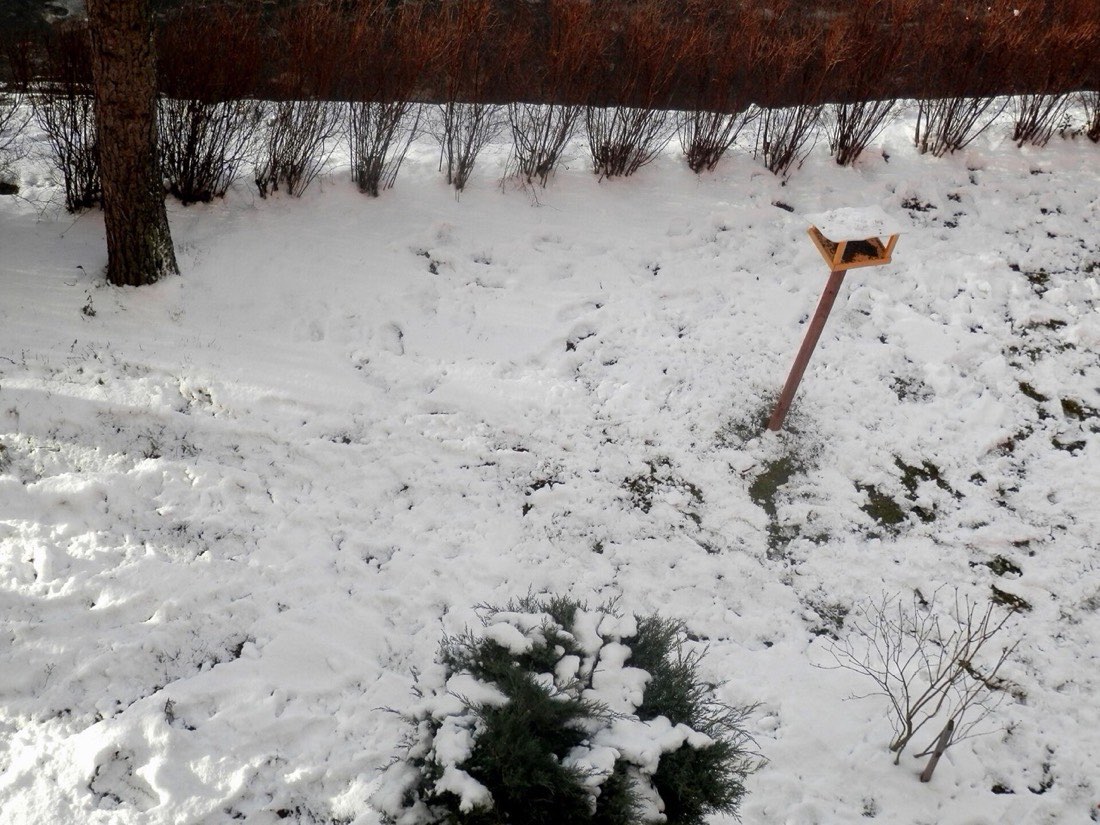
At a glance
- Put out
- Suet, Black-oil sunflower, Peanuts
- Birds to expect
- Black-capped Chickadee, Dark-eyed Junco, Northern Cardinal, House Finch, and 4 more
- Main job
- Clear ports and perches after every snowfall.
- Watch for
- Clear snow and ice from ports and perches after every storm — a buried port is an empty feeder.
What is changing this month
Daylight is at its shortest in the north, and a long cold night burns energy fast. Insects are essentially absent, so fat and oil matter more than at any other time of year.
Birds to expect in January
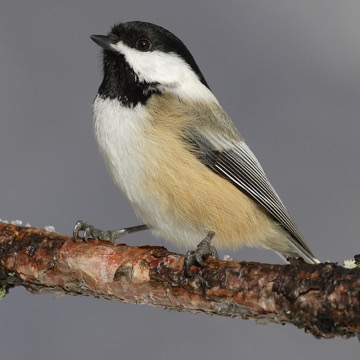 Black-capped Chickadee
Year-round
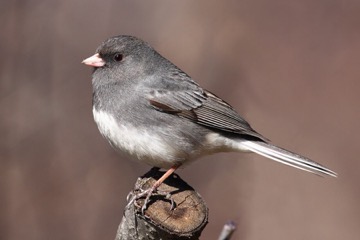 Dark-eyed Junco
Winter visitor
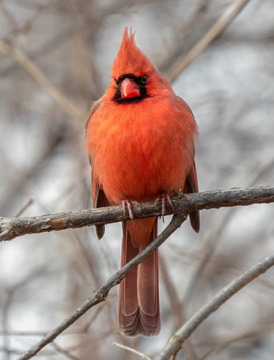 Northern Cardinal
Year-round
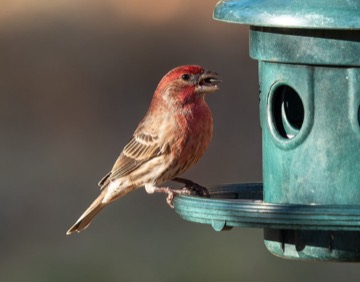 House Finch
Year-round
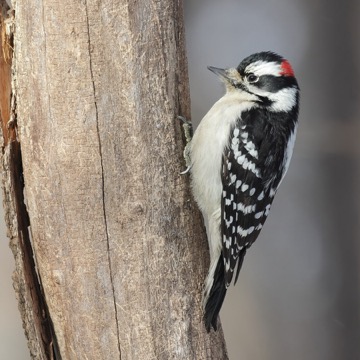 Downy Woodpecker
Year-round
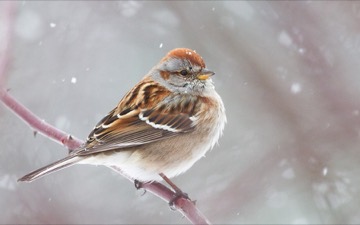 American Tree Sparrow
Winter visitor
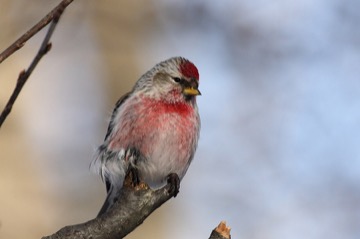 Common Redpoll
Irregular
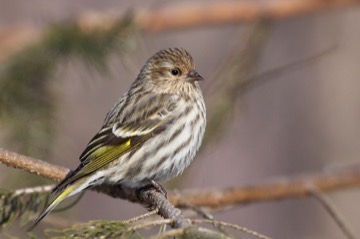 Pine Siskin
Irregular
Most often reported at feeders this month. What turns up depends on your region and the weather, so treat it as a starting point.
Feeder jobs for January
- Clear ports and perches after every snowfall.
- Check that suet is still fresh after mild spells.
- Keep at least one source of liquid water ice-free.
Water in January
Liquid water can be harder to find than food in a hard freeze. A heated bath kept clean is the highest-value addition this month. Never add antifreeze — it is poisonous to all animals, including birds.
Species in focus: Dark-eyed Junco
Juncos are the bird many people notice arriving in late autumn and staying through winter. They feed on the ground, so millet scattered beneath a feeder often brings them in before they will use a hanging one.
- Food
- Millet & corn, Sunflower
- Feeder
- Ground or low platform
- Season
- Autumn to spring (winter visitor in many areas)
What to watch for
- Clear snow and ice from ports and perches after every storm — a buried port is an empty feeder.
- Keep water liquid. Unfrozen water is often harder for birds to find than food.
- Suet turns rancid less quickly in cold weather, but check it after any mild spell.
- Do not heap seed out before a storm; buried or wet seed is wasted and can go mouldy.
Three things not to do
- Don't heap seed out ahead of a storm. Buried or wet seed is wasted and can go mouldy.
- Don't add antifreeze to a birdbath, and don't use salt to melt ice near feeders.
- Don't stop cleaning because it is cold. Crowded winter feeders spread disease readily.
Check this locally
Timing shifts with latitude, elevation and the year. Use these as pointers, then check what is actually happening near you.
- Far north: natural seed is buried and daylight is short, so feeder use is heavy.
- Mid-latitudes: mild spells alternate with hard frosts, so check stored seed for damp.
- South: winter visitors are present but severe weather is rarer; watch for irruptive finches instead.
Questions this month raises
Do birds need more food in very cold weather?
Cold raises energy demand, but the bigger risk is an unreliable supply. A feeder topped up daily matters more than a large one-off pile. FeederWatch treats feeding as a supplement, not a rescue.
Is suet worth offering in freezing weather?
Yes. Suet suits insect-eaters especially well when insects are gone. In mild spells check it for rancidity, and use a warm-weather formulation if the cake softens.
Is it bad to stop feeding in winter?
There is no strong evidence that garden feeding creates birds that would starve without it. Even so, avoid removing a feeder abruptly during a severe cold snap if you can help it.